Common Mistakes First-Time Restaurant Owners Make in India

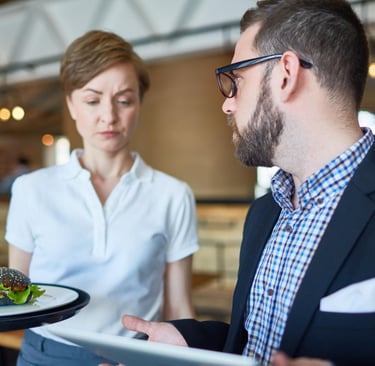
Starting a restaurant or cloud kitchen in India is exciting, but it is also one of the most challenging businesses for first-time entrepreneurs. Many food businesses fail within the first year—not because the food is bad, but because avoidable mistakes compound over time.
Understanding these mistakes before you start can save significant money, stress, and disappointment.
Mistake 1: Over-Investing Before Understanding Operations
One of the most common mistakes is spending heavily on:
Interiors and décor
Large dining spaces
Fancy equipment
New entrepreneurs often believe appearance drives success. In reality, operations drive survival. Customers care far more about taste, consistency, pricing, and delivery speed than expensive interiors—especially in low-investment and delivery-led models.
Starting lean allows flexibility and reduces pressure in the early months.
Mistake 2: Offering a Large and Complicated Menu
A big menu may look impressive, but it creates serious operational problems:
Slower preparation times
Higher ingredient wastage
Inconsistent taste
Difficult staff training
Most successful food businesses grow by mastering a focused menu first. Fewer items, executed consistently, always outperform large menus done poorly.
👉 Related reading: Why Recipe Consistency Is the Backbone of Scalable Food Businesses
Mistake 3: Ignoring Food Cost and Margins
Many first-time owners don’t track food costs properly. They price dishes based on competitors or assumptions instead of real numbers.
Common consequences:
Margins disappear silently
Profits look good on paper but not in reality
Cash flow issues begin early
Understanding food cost percentage, portion control, and wastage is critical from day one.
Mistake 4: Hiring Too Many Staff Too Early
Overstaffing increases fixed costs and reduces flexibility. Many new entrepreneurs hire more people than required due to fear of operational pressure.
Well-designed systems and simplified recipes reduce dependency on large teams. Staffing should grow only when volume justifies it.
Mistake 5: Expecting Quick Profits
The food business rarely delivers instant returns. Expecting quick profits leads to:
Poor decision-making
Cost-cutting on quality
Frustration and burnout
Successful food businesses focus on:
Stability first
Consistency next
Growth later
Patience is not optional—it is essential.
Mistake 6: Choosing the Wrong Business Model
Many entrepreneurs choose a model based on trends rather than suitability. For example:
Opening a cloud kitchen without delivery demand
Starting an outlet without footfall analysis
Choosing the right model—home kitchen, cloud kitchen, or small outlet—based on budget, location, and involvement level reduces risk significantly.
👉 Related reading: Home Kitchen vs Cloud Kitchen vs Small Outlet: Which Food Business Model Is Right for You?
Mistake 7: Starting Without Guidance or Systems
Perhaps the biggest mistake is trying to figure everything out alone. Trial-and-error is expensive in the food business.
Lack of systems leads to:
Inconsistent operations
Confusion during peak hours
Stress and burnout
Guidance, training, and tested systems shorten the learning curve dramatically.
How Franchise Systems Help Avoid These Mistakes
Food franchises reduce beginner risk by offering:
Proven recipes
Standard operating procedures
Training support
Clear cost structures
Low-investment franchise brands like Souski Foods focus on simplifying operations and guiding first-time entrepreneurs—helping them avoid mistakes that typically cause early failure.
Learning From Mistakes Is Expensive—Avoiding Them Is Smarter
Every mistake costs money, time, or morale. Learning from others’ experiences allows new entrepreneurs to start stronger and more confident.
Final Thoughts
Most restaurant failures are preventable. With realistic planning, simplified systems, and the right guidance, first-time entrepreneurs can build food businesses that survive and grow.
Address
Mallampet,Bachupally
Hyderabad
Where hard work turns into opportunity
Souski Foods offers low-investment, scalable franchise models built on simplified recipes, tested systems, and strong support—helping first-time entrepreneurs start confidently and grow sustainably in India’s food market.