How to Build a Sustainable Restaurant or Cloud Kitchen Business in India
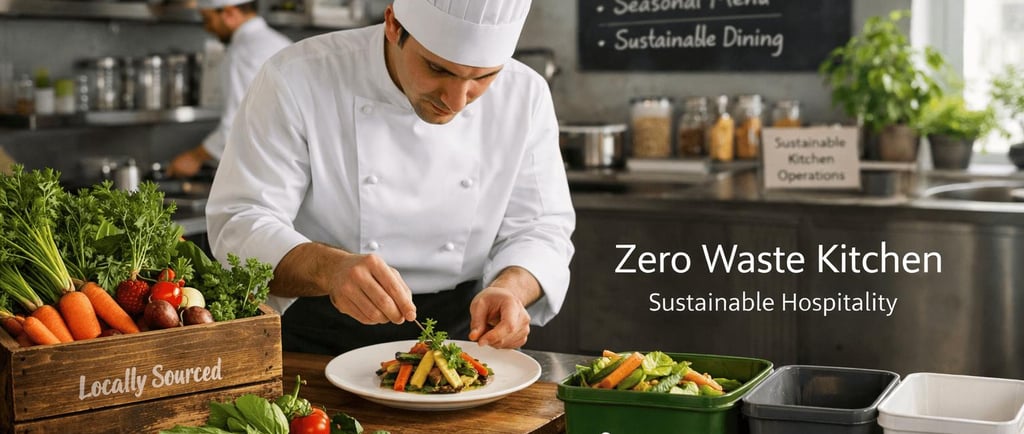
In the Indian food industry, many businesses open every year—but only a few survive long term. Sustainability in a restaurant or cloud kitchen business does not come from rapid expansion or trends. It comes from disciplined operations, consistent quality, and controlled growth.
For first-time entrepreneurs especially, building a sustainable food business is far more important than chasing quick profits.
What Sustainability Really Means in the Food Business
A sustainable food business is one that:
Maintains consistent quality
Controls costs effectively
Survives slow periods
Grows steadily over time
It is not dependent on one person, one dish, or one short-term trend.
Start Small and Strengthen the Foundation
Many entrepreneurs try to grow too fast. They add menu items, hire more staff, or expand locations before stabilising operations.
A sustainable approach means:
Perfecting a limited menu
Streamlining daily workflows
Understanding customer demand
Fixing operational gaps early
Strong foundations allow growth without chaos.
👉 Related reading: How to Start a Low-Investment Food Franchise or Cloud Kitchen in India
Focus on Repeat Customers, Not One-Time Sales
One-time orders may boost numbers temporarily, but repeat customers build real businesses.
Repeat orders come from:
Consistent taste
Reliable delivery
Fair pricing
Clean, disciplined operations
Sustainable food brands prioritise customer trust over aggressive marketing.
Control Costs With Discipline
Cost control is one of the biggest factors in long-term survival. Sustainable businesses regularly monitor:
Food cost percentage
Staff productivity
Wastage levels
Utility expenses
Small improvements made consistently have a larger impact than big changes made occasionally.
Build Systems That Work Without Constant Supervision
If a business collapses when the owner steps away, it is not sustainable.
Systems such as:
Standard operating procedures
Simplified recipes
Clear role definitions
allow the business to function smoothly even in the owner’s absence.
👉 Related reading: Why Recipe Consistency Is the Backbone of Scalable Food Businesses
Choose the Right Growth Path
Sustainable growth is gradual. It may include:
Improving efficiency before expansion
Increasing delivery volume before opening new outlets
Strengthening one location before adding another
Growth without operational readiness leads to burnout and losses.
Why Cloud Kitchens Offer a Sustainable Advantage
Cloud kitchens reduce many traditional restaurant pressures:
Lower rentals
No dine-in maintenance
Faster scalability
When managed with discipline, cloud kitchens can be one of the most sustainable food business models in India.
The Role of Structured Franchise Systems
Franchise systems help sustainability by providing:
Tested operational models
Standardised recipes
Training and guidance
Continuous support
Low-investment franchise brands such as Souski Foods focus on building businesses that can sustain daily pressure—not just launch successfully.
Sustainability Is a Mindset, Not a Shortcut
Sustainable businesses are built by entrepreneurs who value:
Patience over speed
Systems over improvisation
Discipline over shortcuts
These businesses may grow slower—but they last longer.
Final Thoughts
In India’s competitive food market, sustainability is the real success metric. Businesses that focus on strong systems, consistent execution, and realistic growth are the ones that survive and scale.
Address
Mallampet,Bachupally
Hyderabad
Where hard work turns into opportunity
Souski Foods offers low-investment, scalable franchise models built on simplified recipes, tested systems, and strong support—helping first-time entrepreneurs start confidently and grow sustainably in India’s food market.